

How To Clean Toilet Brush And Plunger
Toilet clogged and don't have a plunger at home? Don't worry! Even toilet brands that are equipped with advanced plumbing have similar needs to their less-advanced counterparts, cleaning siphon jets and toilet clogs being chief among them. Don't rush to the hardware store near you or start to panic.
While a plunger is extremely handy and the fastest way to unclog a toilet, some home remedies can also help tremendously. Most residential toilets can be easily unclogged with some alternatives available at home and some dish soap!
If the toilet isn't in continuous use, the best thing you can do is wait it out and see. Toilets can take some time to unclog on their own and fix themselves. But if you need a time-effective solution, here are some quick remedies to unclog the toilet.
How To Unclog a Toilet Without a Plunger
Hot Water
When you detect a stubborn clog, the easiest method to unclog a toilet is to fill a bucket with hot water and pour it into the toilet bowl. Make sure you pour at waist level so that the water doesn't splash around the toilet and make the floor dirty.
Make sure that the water isn't extremely hot, otherwise you may find yourself having to fix a cracked toilet bowl. After pouring the water, wait for some time to see if the clogged mass has passed through the pipe. After a minute or two, flush the toilet and check if the toilet is still clogged.
Now, if this method is not working, you must be asking yourself: what can you pour down a toilet to unclog it?
Using Dish Soap
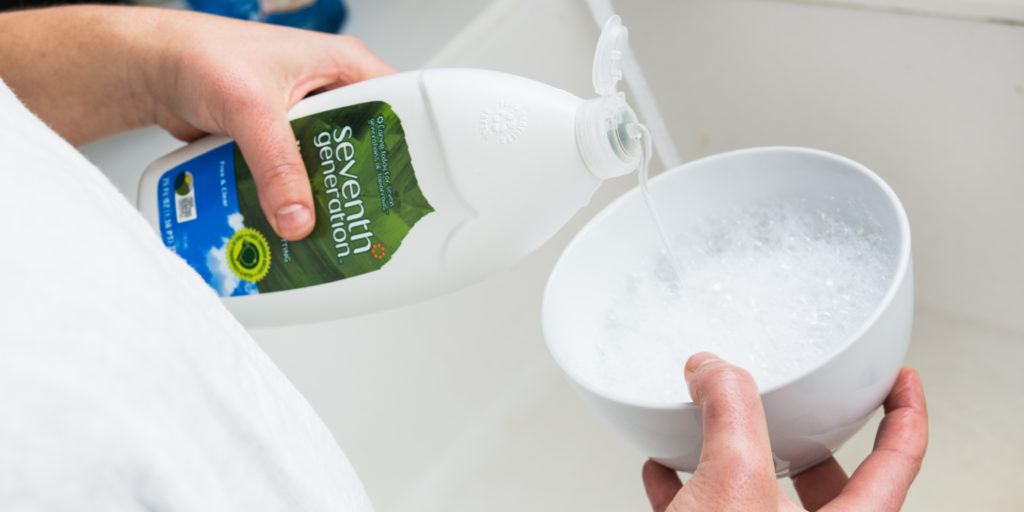
If pouring hot water isn't working, you can use some dish soap for the clogged toilet.
- Pour about a quarter of the dish soap into the toilet bowl. Allow the dish soap to sit for about 15-20 minutes so that it has time to move down from the bowl to the drain and near the clog.
- Add two liters of warm water and let it sit for about five minutes.
- The dish soap will lubricate the drain clog and let the waste and paper pass smoothly. Flush the toilet once or twice to make sure that the toilet won't clog again.
That is the process that is described in the video below.
Household Bleach
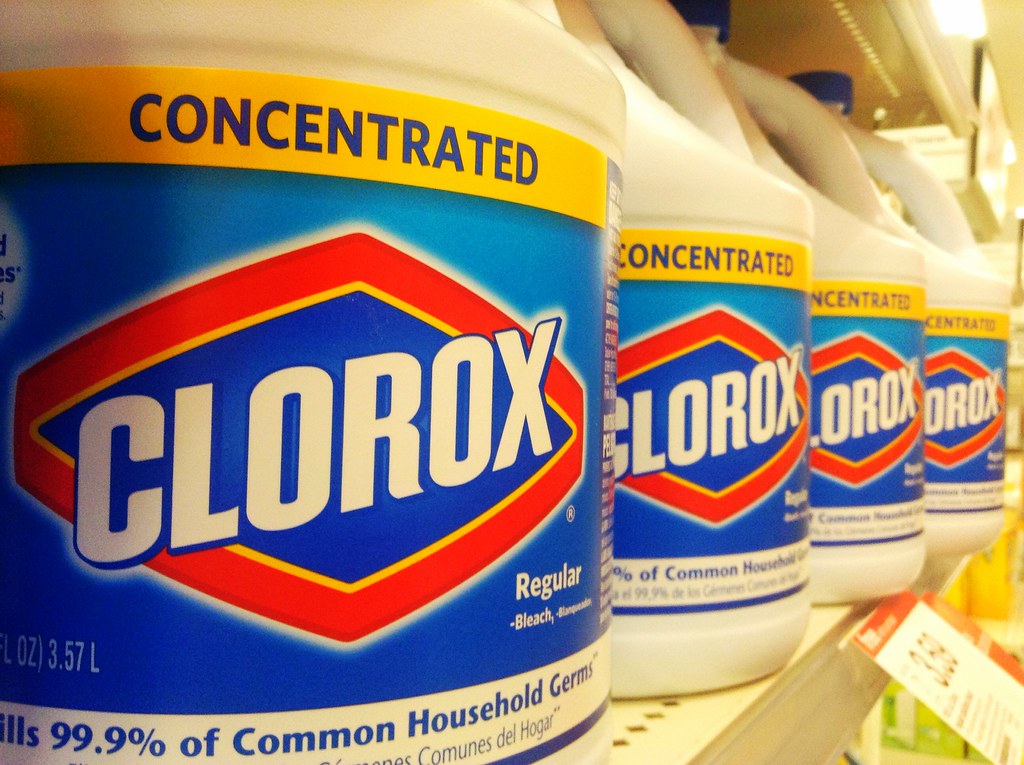
The bleach method can be used to unclog a toilet without a plunger quickly and easily. Here are the steps needed to unclog your toilet with bleach:
- Get three to four cups of bleach.
- Pour the bleach in the toilet bowl and let it sit for ten minutes so that it reaches the drain and unclogs it effectively.
- Turn on the water valve and flush the toilet twice to make sure that the drainpipe is lubricated.
That's it! The oxidation property of bleach, a.k.a sodium hypochlorite, makes it a better cleaning agent for toilets.
Editor's Note 10/3/21: If you have a septic tank, you can still try to unclog the toilet with bleach, however you will be restricted to a cup or less in your toilet bowl. Bleach is fine to go into your septic, but only in small amounts. Otherwise, the chemical and bacterial balance that your septic system depends on to process the organic matter will be disrupted.
Wire Hanger
Don't have a plumbing snake? You can make your own! Grab a wire hanger from your closet and twist it into a straight line excluding the wire hook. A plastic-covered hook would be a better alternative so that it doesn't scratch the porcelain, but you can also cover the hook with a rag instead. Wear some rubber gloves and evenly angle the hanger towards the drain till you reach the clog. Flush the toilet two times after the water starts to drain out to clear the contents of the toilet completely.
Baking Soda or Vinegar
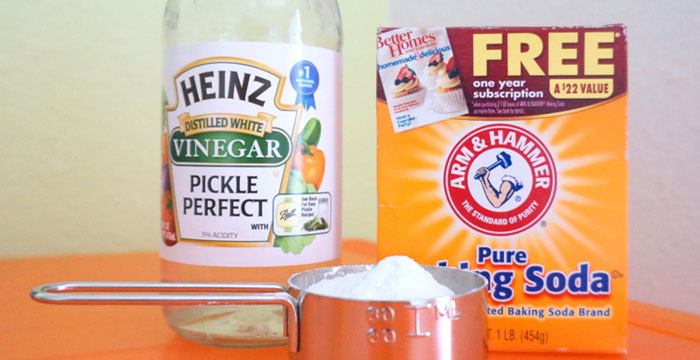
A mixture of baking soda and vinegar is used to clean a lot of surfaces in the house. For example, baking soda can be used to clean pillows, dirty pans, your dishwasher, and yes, it's even one of the best home remedies for clogged toilets.
The first step is to take one cup of baking soda and spread it evenly in the toilet bowl so that it spreads around. Next, take two cup measures of vinegar and pour it slowly over the baking soda so that it mixes well. You'll see some fizzing start to happen in the toilet bowl, which will further break down the drain clog. Let the vinegar sit for two hours and flush the contents afterward. If it still doesn't work, repeat the same process, let it sit overnight, and flush the toilet the next day.
Epsom Salt
If time is of the essence, Epsom salts and bath bombs are your friends. They are not very easy to find, but if they're available in your house, you can give it a go. Place the Epsom salts or the bath bomb in the toilet bowl. Wait for it to react with the water in the bowl. Leave it for ten minutes and check if it helped to unclog the toilet.
Toilet Brush
This might be the worst-case scenario if you are looking to unclog a toilet without a plunger, but a toilet brush can help. It will be unpleasant to work with and absolutely soil the brush, but just angling the brush towards the drain, thrusting it towards the drain hole, and pumping it down and up will do the trick. Flush the toilet to see if it worked and repeat the process if it didn't. Have some cleaning supplies on standby to clean up!
Drain Cleaners
You can make your own drain cleaner by combining half a gallon of water with one cup of baking soda and two cup measures of vinegar. Pour and spread the baking soda and vinegar into the toilet bowl slowly. Pour the water into the toilet bowl with ease and see some fizzing in the toilet start to happen. Let the mixture sit overnight and flush the toilet the next day.
There are three types of commercial drain cleaners available in the market. They depend on the different types of clogs and drain pipes. Find out what your drain's clog type is by opening the drain cover in your bathroom and checking the drain. There might be different kinds of clogs, like toilet paper-based or hair-based.
The Three Types of Drain Cleaners:
Caustic drain cleaners convert the clogged content into a soap-like substance so that it dissolves with water. It is the best cleaner type for removing grease, food, and soap scum. One of the best caustic drain cleaners is the Professor Amos Superfast Drain Cleaners.

Acidic drain cleaners are extremely powerful and remove clogs made up of hair, food, toilet paper, grease, and soap residue. In this category, the best drain cleaner is the Liquid Lightning Buffered Sulfuric Acid Drain Cleaner.
Enzymatic drain cleaners help prevent clogs that include soft materials like hair or paper but cannot deal with hard substances like grease and soap scum. Here, one of the best drain cleaners is the Green Gobbler Drain Clog Dissolver. This method has turned out to be the best way to unclog a toilet for many people.
Conclusion
You do not really need a plunger to unblock the toilet. Whether you use dish soap, vinegar, or bleach to unclog the toilet, the above methods are very easy and effective. However, some are best for highly clogged toilets, while others may only work for small clogs. The best thing is that all the materials required to unclog your toilet in the above methods are readily available and affordable. However, if the problem persists, you can call a professional plumber.
De-clogging a toilet without a plunger can sometimes get pretty messy and inconvenient. Most of the above alternatives are available in all households and are quite inexpensive too. If all of these alternatives seem to fail, the only option is to consult a plumber and/or buy a plunger.
How To Clean Toilet Brush And Plunger
Source: https://toiletsman.com/unclog-a-toilet-without-a-plunger/
Posted by: murphydecterral.blogspot.com
0 Response to "How To Clean Toilet Brush And Plunger"
Post a Comment